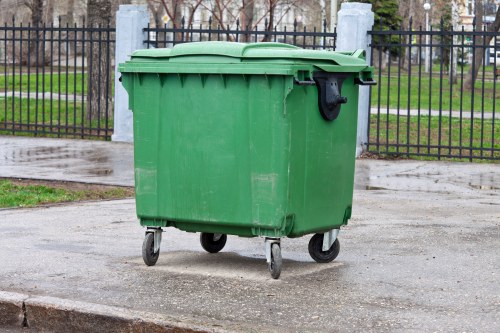
Garden Clearance Spitalfields: Recycling and Sustainability
Our Garden Clearance Spitalfields service is built around an eco-friendly waste disposal area model that prioritises reuse, recycling and reducing the carbon footprint of garden waste activities. Whether you need Spitalfields garden clearance for a back garden, communal courtyard or a small green space, we plan each job to divert material away from landfill and into circular reuse streams. This page explains our approach to sustainable rubbish area management, key targets, and local partnerships that make responsible garden waste clearance possible.We set a clear recycling percentage target for all garden waste and mixed green waste collections: a minimum of 70% recycled or reused within our operational area by the end of 2028. That target covers composting, wood-chipping for biomass or landscaping mulch, salvage of metals and fixtures, and redistribution of reusable items through local charities and community projects. Our teams track loads and produce regular diversion reports so performance can be measured against the target and improved where necessary.
Local transfer stations and civic depots
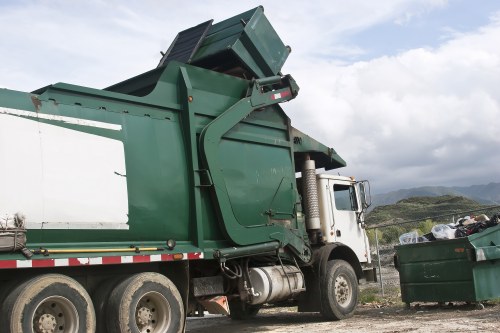
Garden waste from Spitalfields is routed to nearby transfer stations and civic amenity sites operated by borough partners and licensed waste carriers. We work with municipal and private transfer hubs across Tower Hamlets and neighbouring boroughs to ensure material is processed at the correct facility — from green waste composting sites to specialised wood-recycling depots. Typical local transfer points include Poplar and East London municipal hubs, accessible civic amenity sites, and regional waste sorting facilities that accept segregated garden material.Partnerships with charities and social enterprises are central to our sustainable rubbish area approach. We collaborate with reuse charities, community gardens, and social enterprises that accept plants, soil in good condition, tools, and garden furniture for refurbishment and redistribution. Where practical, paving slabs, planters and shelving are reclaimed and offered to local community groups. These partnerships reduce waste, extend the life of materials and support local social value schemes in Spitalfields and nearby neighbourhoods.
Low-carbon vans and low-emission operations
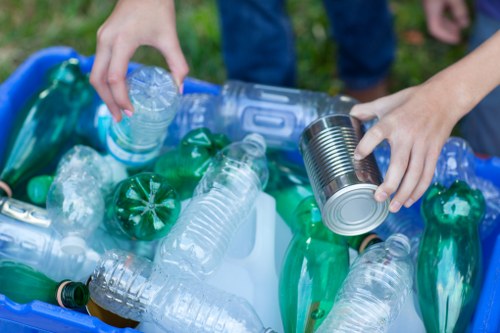
Our transport policy emphasises a low-carbon fleet: electric vans where possible, plug-in hybrids for longer routes, and Euro 6 diesel vehicles only when a zero-emission option isn’t yet practical. Fleet routing is optimised to reduce mileage and idling, and we charge electric vehicles from low-carbon electricity sources whenever available. These measures make garden waste clearance in Spitalfields significantly less polluting than conventional rubbish removal services.We apply practical waste separation on-site so the sustainable rubbish area is properly organised before materials leave the site. Crews segregate green waste, mixed inert material (soil, stone), timber, and recyclable fixtures into separate bays or sacks. This approach aligns with the boroughs' wider waste separation schemes, where dry recycling (paper, card, glass, metals), food waste and residual waste are handled separately at household level and at civic hubs.
Our operations reflect the boroughs' approach to waste separation: encourage source separation, provide clear labelling for collection streams, and use licensed transfer stations that accept segregated loads. For Spitalfields garden clearance clients, that means we mirror the municipal separation model so materials are compatible with local infrastructure and more likely to be recycled. Consistency with local council schemes increases the chance of successful diversion from landfill and supports community recycling targets.
Key recycling activities we run or facilitate include:
- Composting and anaerobic digestion of green waste to produce soil improvers and renewable energy feedstock.
- Wood chipping and reuse as mulch or biomass for landscaping projects.
- Metal and brick salvage for recycling or resale through social enterprises.
- Redistribution of reusable items like garden furniture, pots and tools via charity partners.
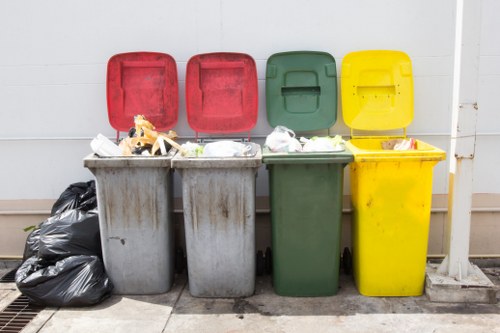 To maintain a true sustainable rubbish area, we operate clearly signed sorting zones on clearance sites, use colour-coded containers, and provide staff training on contamination avoidance. Every load is recorded with a basic waste transfer note showing the composition of material, destination transfer station and whether the material is destined for composting, recycling or reuse. This tracking helps us improve the proportion of material meeting our 70% recycling percentage target and demonstrates accountability to local partners and residents.
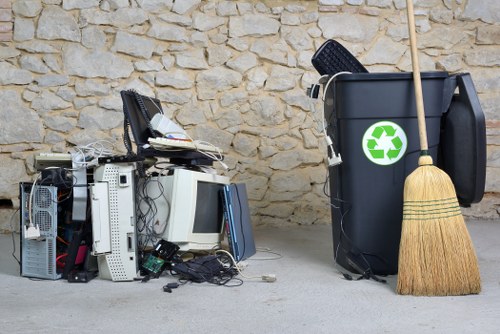 In conclusion, our Spitalfields garden clearance services combine practical on-site sorting, strong charity partnerships, use of local transfer stations and a low-carbon van policy to create an effective eco-friendly waste disposal area. We aim to keep green spaces tidy while supporting a resilient, circular approach to garden waste. By aligning with borough separation schemes and investing in low-emission vehicles and local reuse networks, we help make garden waste management in Spitalfields cleaner, greener and more sustainable for everyone.