What to know about urgent rubbish clearance in Spitalfields
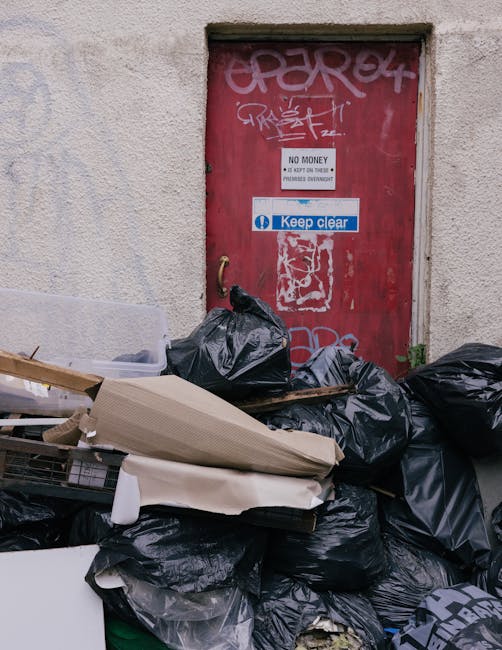
If you need rubbish gone quickly in Spitalfields, the pressure is usually half practical and half emotional. Boxes are piling up, a hallway is blocked, a landlord is waiting, or a shop storage room has become unusable. What to know about urgent rubbish clearance in Spitalfields comes down to this: act fast, stay safe, and choose a service that can clear the waste without creating more problems than it solves.
That sounds simple. In real life, though, urgent clearance can involve tight access, mixed waste, awkward stairwells, neighbours who are not thrilled, and items that should never just be dumped out front. This guide walks through how urgent rubbish removal works, what to check before you book, and how to avoid the mistakes that turn a quick job into a stressful one. A little planning goes a long way here. Honestly, it saves a lot of faff.
Why urgent rubbish clearance in Spitalfields matters
Spitalfields has its own rhythm. It is busy, compact, and full of homes, workplaces, flats, retail spaces, and shared entrances where waste can quickly become visible. When rubbish is left too long, it can block access, attract pests, create odours, and make a property look neglected. If you are dealing with a move, renovation, tenancy change, or business turnover, urgency matters because delays are rarely minor. One missed collection can ripple into a bigger headache by the next morning.
There is also the practical side. In tighter London streets, rubbish that sits around is not just untidy; it can be a safety issue. Trips, blocked fire routes, damaged flooring, or complaints from neighbours can all follow quickly. In a busy area like this, people notice. That is especially true for front steps, basements, narrow passages, and shared bins that fill up faster than anyone expects.
Urgency also matters because the type of waste often shapes what can happen next. A few bags of general junk are one thing. Broken furniture, builders' rubble, old appliances, office equipment, or garden waste all need different handling. If you need a fast turnaround, the clearance provider has to be organised enough to separate, lift, load, and dispose of everything properly without wasting time on site. That is where experience really shows.
Expert summary: the best urgent rubbish clearance is not just fast. It is fast and orderly, safe, and predictable. If the team can remove the waste quickly, protect the property, and leave you with a clear space, that is the standard to aim for.
How urgent rubbish clearance works
Urgent rubbish clearance is usually a short-notice collection arranged to remove unwanted waste as quickly as possible, often on the same day or next day if the schedule allows. The exact process can vary, but the core steps are usually similar. You describe the waste, the team estimates the volume, they arrive, load it, and take it away for sorting and disposal.
In practice, the first conversation matters a lot. Good clearers will want to know what type of waste you have, how much there is, whether there are stairs or lift access, and whether anything is bulky, fragile, or heavy. If you can send clear photos, even better. It helps avoid the classic problem where the team turns up expecting a few bags and finds a garage full of old furniture, garden cuttings, and a dismantled wardrobe. Not ideal for anyone.
For more complex jobs, such as after a refurbishment or a property clearance, you may need a service that can handle different waste streams in one visit. For example, builders waste clearance can be useful if the urgent job involves mixed debris, while an office clearance may be the right fit for desks, chairs, monitors, and paperwork that must be moved out quickly and respectfully.
There is also an operational side behind the scenes. Waste should be loaded securely, transported in suitable vehicles, and handled in line with normal UK waste management expectations. Depending on the material, some items may be separated for reuse, recycling, or specialist disposal. A tidy-looking load is not enough on its own; the process behind it matters just as much.
If you are comparing providers, it is sensible to check how they handle pricing, payment, and security before anything is booked. A clear explanation of what is included is reassuring, especially when you are arranging a job in a hurry. The page on payment and security is worth reviewing if you want a better sense of the booking process.
Key benefits and practical advantages
The main benefit of urgent rubbish clearance is obvious: you get your space back quickly. But there are a few more gains that people often appreciate only after the job is done.
- Less disruption: instead of living with clutter for days, you clear the area in one go.
- Safer access: hallways, entrances, gardens, and work areas are easier to use.
- Better presentation: useful if you are handing over a property, welcoming clients, or preparing for works.
- Reduced stress: there is something calming about seeing an overfilled room finally breathe again.
- More efficient decision-making: urgent removal often forces a quicker sort between keep, donate, recycle, and remove.
There is also a hidden advantage: urgent jobs often expose the real scale of a clearance problem. A loft full of forgotten boxes, a flat with old white goods, or a garage packed to the rafters can feel overwhelming until it is photographed, quoted, and broken down into manageable parts. Once you know what is there, it becomes easier to act. That clarity is worth a lot.
For homeowners dealing with mixed domestic clutter, a home clearance or house clearance may be more suitable than a general waste collection. If the job is more specific, such as old sofas, wardrobes, or one-off bulky items, furniture disposal can be a better match.
And yes, if you have ever stared at a pile of rubbish at 8 a.m. and thought, "Right, that has to go today," you are not alone. Happens more often than people admit.
Who this is for and when it makes sense
Urgent rubbish clearance is for anyone who needs waste removed quickly and cannot wait for a standard collection window. In Spitalfields, that often includes residents in flats, landlords between tenancies, local businesses, builders, property managers, and people dealing with sudden life events. The common thread is time pressure.
Typical situations include:
- you are moving out and need the property emptied fast
- a lease or inspection deadline is close
- builders have left debris and the next trade needs access
- a tenant has left items behind
- your office or shop needs a quick reset before opening or reopening
- a garage, loft, or basement has become unusable
- garden waste is building up after a big tidy-up
For some people, the need is emotional as well as practical. Clearing a relative's home, for example, can be emotionally heavy. In those cases, a calm, methodical approach matters more than speed alone. A service like flat clearance or loft clearance may be relevant if the items are spread across smaller access routes or storage spaces.
Businesses often have a different pressure. A stockroom that cannot be used, a reception area with old furniture, or excess packaging left after a delivery can interfere with daily trading. If that sounds familiar, business waste removal may be the more appropriate route.
Truth be told, urgent rubbish clearance makes sense whenever the clutter is doing more harm by staying than by leaving. That is the simplest test.
Step-by-step guidance
If you want the process to go smoothly, it helps to think through the job before the vehicle arrives. You do not need a perfect plan, just a sensible one.
- Identify what needs removing. Walk through the area and separate general rubbish, bulky items, and anything that might need special handling.
- Take a few clear photos. Wide shots help with volume estimates, and close-ups help with awkward items.
- Check access. Note stairs, narrow doors, parking restrictions, loading points, or any locked gates.
- Ask what is included. Make sure you understand whether labour, loading, disposal, and VAT are included in the quote.
- Decide what stays. Mark or move anything you definitely want to keep. This sounds obvious, but in a rush it gets missed more often than you would think.
- Separate sensitive items. Paperwork, electronics, personal documents, and valuables should be dealt with carefully.
- Prepare the space. Clear a path to the waste if possible. Even 10 minutes of prep can speed things up.
- Confirm the booking details. Time, access instructions, and contact information should be clear before arrival.
- Check the final load before it leaves. A quick visual check prevents awkward misunderstandings.
A small but useful detail: if rubbish is spread across multiple rooms, give priority to the bottlenecks first. Hallways, stairs, and doorways matter more than the easy-to-reach piles. Once those routes are open, the rest of the job tends to move much faster. It is a simple trick, but it works.
If you are dealing with a mess that includes old cabinets, broken tables, or worn-out seating, it may be helpful to look at furniture clearance. For waste generated by refurbishments or repairs, builders waste clearance is usually the better fit.
Expert tips for better results
After a lot of clearance jobs, a few habits consistently make the whole process easier. Nothing flashy. Just common sense done well.
Be specific when you describe the waste. "A bit of rubbish" is not enough if the team needs to bring extra people or a larger vehicle. Say whether it includes furniture, bags, flooring offcuts, broken appliances, or heavy items.
Photograph the whole area, not just the worst corner. It helps create a fairer quote and avoids surprises. If the pile looks manageable from one angle but huge from another, show both. No harm in that.
Think about weight, not only volume. A few rubble sacks can be much heavier than a roomful of packaging. Heavy waste often affects loading time and handling requirements.
Do not leave valuables mixed in. Old drawers and sideboards often hide keys, documents, chargers, and sentimental bits and pieces. It happens.
Ask about recycling practices. A responsible clearance provider should try to separate recyclable items where possible. That is one reason a page like recycling and sustainability can be useful before you book.
Keep neighbours in mind. In a shared building, noise and access matter. A quick heads-up can reduce friction, especially if the clearance is early in the day or involves common areas.
Plan around your own timeline, not just the earliest slot. If you need a property photographed, cleaned, or re-let after the clearance, leave a small buffer. One rushed job after another can become messy very quickly.
One more thing: if a quote seems unusually vague, ask more questions. A serious service should be able to explain the process in plain English. If they cannot do that, well, that is a sign in itself.
Common mistakes to avoid
Most clearance problems come from a handful of avoidable errors. The good news is that they are easy to sidestep once you know them.
- Underestimating the amount of waste: a pile that looks small in person can fill a vehicle faster than expected.
- Forgetting access issues: tight staircases, parking limits, and basement entrances can add time.
- Mixing prohibited items with general waste: some items need special handling, so do not assume everything can go in one load.
- Leaving sorting until the last minute: if you want to keep, donate, or recycle certain things, decide early.
- Booking only on price: the cheapest option is not always the best value if it is unreliable or unclear.
- Not checking credentials or policies: a reputable provider should be open about how they work and how waste is handled.
Another common issue is trying to clear too much on your own before the professionals arrive. A little prep is helpful, yes, but do not overdo it. If you start carrying awkward or heavy items down stairs when you are already tired, that is where accidents happen. Better to leave the heavy lifting to people set up for it.
If you are dealing with a particularly cluttered garage or outbuilding, garage clearance can provide a more targeted approach than a generic rubbish job. Same idea for sheds, gardens, or storage spaces. Matching the service to the mess is half the battle.
Tools, resources and recommendations
You do not need fancy equipment to prepare for urgent rubbish clearance, but a few simple tools make life easier. A phone camera, marker tape, bin bags, gloves, and a notepad are usually enough. If you are sorting a larger property, a basic room-by-room list can stop things getting chaotic.
Recommended approach:
- Use your phone to document the job: photos help with quotes and with checking what was removed.
- Label keep items clearly: especially if several people are involved.
- Keep a separate pile for personal papers: it avoids a lot of accidental loss.
- Measure bulky items roughly: a quick length and height estimate can help with planning.
- Have payment and access details ready: small delays matter more on urgent jobs.
Useful service pages can help you compare what kind of clearance you actually need. For example, if the job is a whole property rather than a single room, a house clearance page may be more relevant than a general waste service. If the job is commercial, office-related, or stockroom-based, then office clearance can be the better starting point.
For service standards and company information, it is also reasonable to review pages such as about us, insurance and safety, and health and safety policy. Those pages should tell you more about how a provider approaches risk, protection, and professionalism.
Law, compliance, standards and best practice
Waste removal in the UK is not something to treat casually. You do not need to memorise every rule, but you should expect a proper service to handle waste responsibly and to avoid fly-tipping, unsafe handling, or careless disposal. In plain terms, your rubbish should be taken away legally and traceably, not quietly dumped somewhere it should not be.
For urgent jobs, compliance often shows up in small details. Are items loaded safely? Is the team careful around communal areas? Is the waste separated where appropriate? Are they clear about what happens to reusable or recyclable materials? Those are good signs. If a provider seems vague about disposal, that is worth paying attention to.
It is also sensible to consider data and privacy where paperwork or devices are involved. Old files, invoices, hard drives, or office equipment may need a little extra care. That is one reason some clients prefer to check the company's privacy policy and terms and conditions before booking.
Best practice usually means:
- removing waste without damaging the property
- protecting common areas during loading
- sorting reusable or recyclable material where possible
- being transparent about limitations and extra charges
- keeping communication clear, especially under time pressure
If a job involves business premises, there may be extra care needed around trading hours, staff movement, and customer access. That is less about red tape and more about being considerate. In a place like Spitalfields, where space is tight and the day moves quickly, good manners and good process matter together.
Options, methods and comparison table
Not every urgent clearance needs the same approach. Sometimes the best choice is a full waste removal visit. Other times, a more specific service gives you better value and less friction. Here is a simple comparison.
| Option | Best for | Pros | Watch-outs |
|---|---|---|---|
| General waste removal | Mixed rubbish, bags, household clutter | Flexible, quick to arrange, broad coverage | May not suit very bulky or specialised loads |
| Furniture clearance | Sofas, beds, wardrobes, tables | Good for bulky items, efficient loading | Access and weight need to be checked |
| House or home clearance | Whole-room or whole-property clearances | Useful for larger jobs, more organised | Needs clearer planning and time |
| Office clearance | Desks, chairs, stock, equipment | Good for commercial turnaround | May involve sensitive items or restricted access |
| Builders waste clearance | Rubble, offcuts, renovation debris | Suitable for trade and refurbishment mess | Heavy loads and access can affect timing |
The right choice depends on the mess, the deadline, and the layout of the property. A flat with a few bulky items is one thing. A building site with debris, dust, and mixed materials is another. Matching the service to the waste saves time and usually saves money too.
Case study or real-world example
Here is a realistic example, without dressing it up. A small business near Spitalfields had to clear a back room before a supplier delivery the next day. The room held old packaging, broken shelving, a couple of office chairs, and several bags of general clutter that had built up over months. Nothing dramatic. Just one of those spaces that quietly becomes impossible to use.
The team took photos in the afternoon, confirmed access through a narrow service entrance, and arranged an urgent collection for the next morning. Before arrival, the business moved a few files, marked items to keep, and cleared the walkway. That was enough. The clearance itself was straightforward because the prep was done properly. The room was back in use by lunchtime, and the supplier delivery could go ahead without delay.
What made the difference was not luck. It was clarity. The waste type was described accurately, the access details were honest, and the scope was set early. No drama, no wasted time. Just a tidy result. To be fair, that is often how the best urgent clearances happen.
A similar approach works at home too. Whether it is a garage full of old furniture or a flat with mixed clutter after a move, the fastest jobs are usually the ones where the customer has already made a few quick decisions before the truck arrives.
Practical checklist
Use this before you book or before the clearance team arrives.
- Take photos of the waste from more than one angle
- Confirm whether the job is domestic, commercial, or mixed
- Identify any heavy, fragile, or awkward items
- Check stair access, parking, loading space, and lift availability
- Separate valuables, paperwork, and personal items
- Decide what should be recycled, kept, or removed
- Ask what is included in the price
- Review the provider's policies if you want extra reassurance
- Make sure someone is available to give access or sign off the job
- Leave a little buffer in your schedule for unexpected delays
Quick takeaway: the smoother the prep, the faster the clearance. It really is that simple.
Conclusion
What to know about urgent rubbish clearance in Spitalfields is mostly about making good decisions under time pressure. You want a service that is fast, careful, and clear about what happens next. You also want to avoid the common traps: vague quotes, poor access planning, and mixed waste that is not described properly. When those basics are handled well, the whole job becomes far less stressful.
Whether you are clearing a flat, a shop, an office, a garage, or a property between tenants, the smartest move is to match the service to the waste and prepare the site just enough to keep things moving. No need to overcomplicate it. A bit of planning, a few clear photos, and the right provider can turn an urgent problem into a straightforward solution.
Get a free quote today and see how much you can save.
And if all you manage today is one cleared corner and a lighter head, that still counts. Sometimes that is the start of everything feeling manageable again.
Frequently Asked Questions
How quickly can urgent rubbish clearance in Spitalfields usually happen?
It depends on availability, access, and the type of waste, but urgent jobs are often arranged for the same day or the next day when the schedule allows. The more accurate your description, the easier it is to fit you in properly.
What information should I give when I request a fast clearance?
Share the waste type, approximate amount, photos if possible, access details, and any items that are especially heavy, fragile, or awkward. That helps avoid delays and surprise costs.
Is urgent rubbish clearance more expensive than a standard booking?
It can be, because short-notice work may require faster scheduling or extra labour. That said, the final price still depends on volume, access, and waste type. A clear quote matters more than a flashy promise.
Can bulky furniture be taken away on an urgent basis?
Yes, in many cases. Sofas, wardrobes, beds, and similar items are commonly handled as part of furniture clearance or furniture disposal, provided access and weight are manageable.
What if I need an entire flat cleared quickly?
A flat clearance service is often a better fit than a general rubbish collection because it is designed for multi-item, multi-room jobs. It is especially useful when you are working to a move-out or letting deadline.
Can office waste be removed quickly without disrupting trading?
Usually yes, if the job is planned around opening hours, staff movement, and access routes. Office clearance is often arranged to minimise disruption, which is the whole point, really.
Do I need to sort the rubbish before the team arrives?
No, not completely. A little sorting helps, but a professional clearance team should be able to handle mixed waste. Still, separating valuables, documents, and anything you want to keep is a very good idea.
What kinds of waste need extra care?
Heavy debris, electrical items, paperwork, and anything potentially hazardous should be flagged early. If you are unsure, describe the item rather than guessing. That is safer for everyone.
How do I know if a clearance provider is trustworthy?
Look for clear explanations, transparent terms, sensible safety information, and a booking process that feels straightforward. Pages such as about us, health and safety policy, and insurance and safety can help you judge that.
Can urgent rubbish clearance help with garden waste too?
Yes. If the job is outdoors, a garden clearance service may be more suitable, especially for branches, soil bags, cuttings, and general outdoor clutter.
What happens to the waste after it is collected?
Responsible providers usually sort items for reuse, recycling, or disposal where possible. The exact handling depends on the material and condition of the waste. You should expect it to be taken away lawfully and managed properly.
Should I book based on the cheapest quote I get?
Not on price alone. Speed matters, but so do access planning, reliability, safety, and what is included. The cheapest option can become expensive if it is vague or incomplete.
Where can I check more about the company before booking?
You can review useful pages such as about us, pricing and quotes, and recycling and sustainability to understand how the service is structured and what to expect.